Flooded Lead-Acid (FLA): The Old Reliable Pioneer
For over a century, the Flooded Lead-Acid (FLA) battery was the backbone of off-grid living. If you visited a remote outback station twenty years ago, you would invariably find a massive, heavy bank of these batteries sitting in a dedicated, well-ventilated shed.
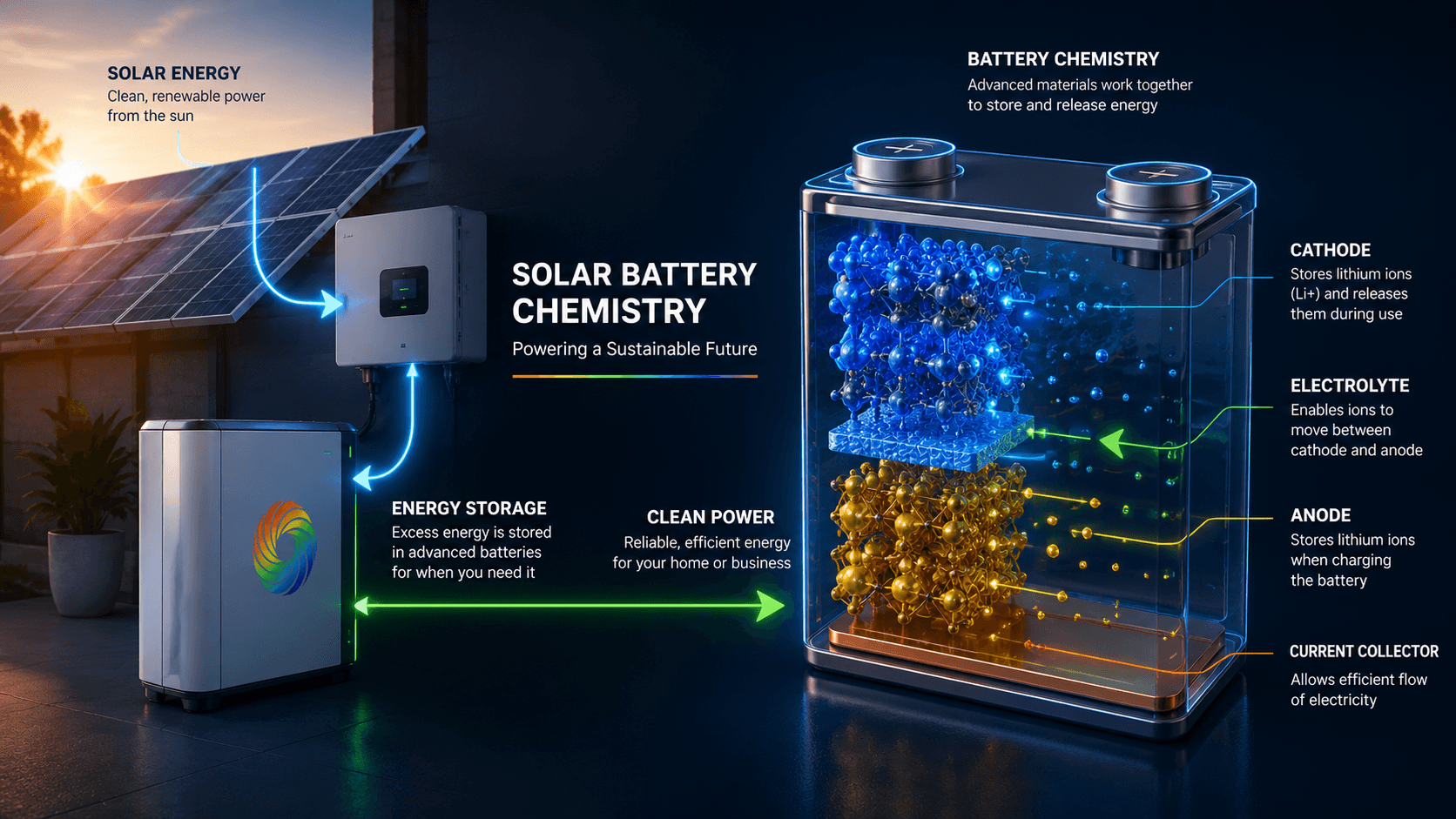
The Chemistry and Mechanics The technology is robust but undeniably antiquated. Inside an FLA battery, you have heavy plates made of lead and lead dioxide, completely submerged in a liquid electrolyte solution of sulfuric acid and distilled water. When you draw power from the battery to run your lights or fridge, a chemical reaction occurs that turns the acid into water and coats the lead plates with lead sulfate. When the sun comes up and your solar panels recharge the battery, the reaction reverses, driving the sulfate off the plates and turning the water back into acid.
The Off-Grid Reality and Limitations The primary appeal of FLA batteries was their upfront cost; they were significantly cheaper to buy on day one than modern lithium alternatives. Because they are incredibly heavy, they are also less prone to theft in remote locations. However, the true cost of an FLA bank is paid in sweat and strict discipline.
FLA batteries require a rigorous, unforgiving maintenance schedule. Because the charging process boils the liquid inside, the water evaporates. You must regularly use a hydrometer to check the specific gravity of the acid and manually top up the cells with distilled water. If you forget, and the plates are exposed to air, the battery will permanently die. Furthermore, they require regular "equalization" charges—essentially hitting the battery with a high voltage to deliberately boil the acid, mixing it up and blasting hardened sulfate crystals off the lead plates.
The most critical limitation of FLA technology is the Depth of Discharge (DoD) rule. You can only use 50% of the battery's total capacity. If you buy a 10kWh battery bank, you only have 5kWh of usable power. Draining a flooded lead-acid battery below 50% causes the lead sulfate crystals to permanently harden on the plates—a process called sulfation—which physically blocks the battery from ever fully recharging again. While they are a proven, 150-year-old technology, the heavy maintenance burden and the strict 50% usage limit have made them largely obsolete for modern, trouble-free setups, and they simply can't deliver the power needed to run an industrial farm.